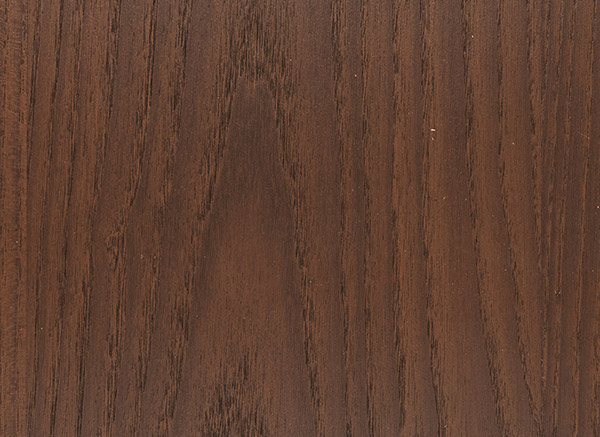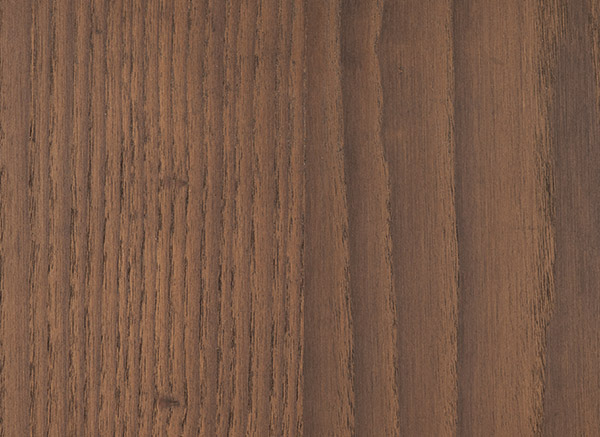
Oak heartwood undergoes fully ecological processing that makes it dimensionally stable, less vulnerable to mould, fungi, insects and humidity and suitable for outdoor environments; surfaces are then treated to be water and oil-repellent with a water-based finish to limit the absorption of liquid and greasy substances.
Like any type of wood, oak also changes in colour, compactness and structure over time, without this affecting its quality.
We recommend cleaning regularly the surfaces with a slightly moist cloth to keep their finish at its best, which can be restored with the specific treatment kit supplied with the product.
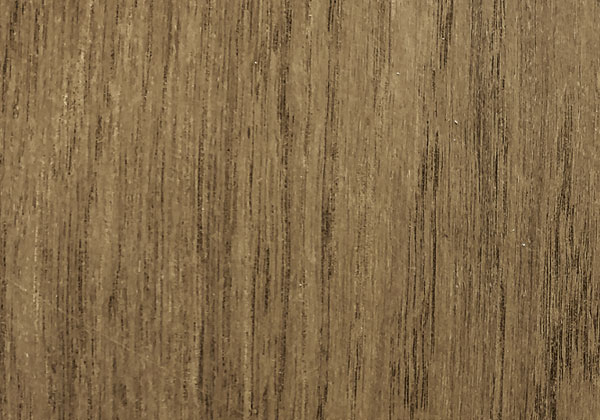
LE241 rovere

Colour samples are an indication only and do not replace the use of real samples when ordering, since it is impossible to guarantee a screen reproduction identical to the original. Colour quality depends on the device used to visualize the web site and can vary from device to device. Textures are sometimes zoomed to allow for a better visualization of the materials.

Characteristics
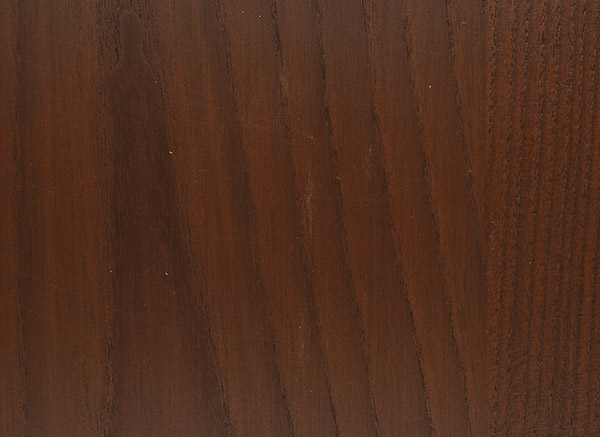
As shown in the photos below, Aurea Optima surfaces tend to change colour rapidly during the first weeks of exposure to UV rays (from A to B), after which they stabilize and remain almost unchanged (C). Once stabilized, regular maintenance is essential to preserve the aesthetic qualities of the product as much as possible. It is therefore recommended to periodically apply — according to conditions of use — the product contained in the specific treatment kit supplied. In addition to the purely aesthetic benefit, this treatment also prevents the wood from drying excessively which, as naturally occurs, may lead to cracks or swelling. Such phenomena cannot be considered production defects. If you wish to restore the original colour of the wood (A), please contact the Company. After a careful case-by-case assessment, the piece may undergo a sanding and industrial varnishing process. To extend the lifespan of Aurea Optima tops, it is also advisable to avoid leaving objects in prolonged contact with the surfaces, as this may cause uneven maturation of the wood — a condition that is difficult to recover.